
+1 720-986-5272
-
SHOP
-
Self Learning Management Books
-
Test Prep Books
-
Legend In Marketing
-
Legend In Consumer Behavior
-
Legend In Strategic Marketing
RESOURCESBLOGSSPOTLIGHTS -
- Log in
Labor Relations Essentials You Always Wanted to Know
Estimated delivery between October 09 and October 11.
We use cookies and similar technologies to provide the best experience on our website.
Labor Relations Essentials You Always Wanted to Know
Workplace Rights, Unions, Collective Bargaining & Employment Law Guide for Professionals
Request Sample Book / Online Resource
Enter your email and choose the resource type. We'll send access to your inbox.
Description
Get ready to master labor relations—one of the most essential skills for workplace success!
Labor relations shape every aspect of working life, from hiring and compensation to workplace protections and employee voice. Yet for many professionals, this critical field remains shrouded in complexity, legal jargon, and outdated perspectives. Labor Relations Essentials You Always Wanted to Know changes that by delivering a comprehensive, accessible guide to understanding and navigating modern workplace dynamics.
Key features include:
- Historical foundations and landmark legislation analysis
- Practical dispute resolution and conflict management strategies
- Union organization and collective bargaining insights
- Future trends, including AI, globalization, and demographic shifts
- Interactive learning with case studies, quizzes, and practical examples
- Cross-border perspectives from an experienced legal practitioner
This book serves working professionals who need to understand their rights and responsibilities, entrepreneurs and HR professionals seeking practical management insights, and students requiring a clear introductions to labor relations concepts.
Author Ritambhra Kalra, a seasoned litigating attorney with 9+ years of experience across civil, criminal, corporate, and labor law, brings unique cross-border expertise from advising clients in both India and the United States.]
Part of Vibrant Publishers' Self-Learning Management Series, this book serves as your essential guide to mastering labor relations in an era of rapid workplace transformation.
Bibliographic Details
Pages: 238 Pages
Paperback (ISBN): 9781636516493
eBook (ISBN): 9781636516547
Hardback (Color): 9781636516554
Trim Size: 5.5” x 8.5”
Category: Business & Economics
Author: Ritambhra Kalra, Vibrant Publishers
Table of Contents
1 Understanding Labor Relations in the Modern Workplace
1.1 Defining Labor Relations
1.2 Core Objectives of Labor Relations
1.3 Key Concepts in Labor Relations
1.4 Historical Development and Landmark Legislation in U.S. Labor Relations
1.5 Current Importance of Labor Relations: Modern Challenges and Evolution
Chapter Summary
Quiz
2 Worker Rights, Protections, and Legal Frameworks
2.1 Overview of Key Labor Laws
2.2 The Role of the National Labor Relations Board (NLRB)
2.3 Worker and Employer Rights and Responsibilities
Chapter Summary
Quiz
3 Resolving Workplace Disputes: Effective Conflict Resolution
3.1 Common Workplace Disputes
3.2 Grievance Procedures
3.3 Alternative Dispute Resolution (ADR)
3.4 Handling Strikes and Lockouts
Chapter Summary
Quiz
4 Unions and Collective Bargaining: Building Worker Representation
4.1 Understanding Unions
4.2 Understanding Collective Bargaining
4.3 Handling Disputes Related to Unions
4.4 What Happens During Strikes or Disputes?
Chapter Summary
Quiz
5 Employment Contracts, Worker Rights, and Termination
5.1 Employment Contracts and Work Arrangements in U.S. Law
5.2 Rights of Workers under Federal and State Laws
5.3 Wrongful Termination and Remedies
Chapter Summary
Quiz
6 The Changing World of Work
6.1 How Technology Affects Jobs
6.2 Labor Relations in the Gig Economy: U.S. and Global Perspective
6.3 Remote Work in the Evolving Labor Landscape
Chapter Summary
Quiz
7 The Future of Labor Relations
7.1 The Changing Landscape of Work and Labor Relations
7.2 How Workers and Employers Can Prepare for the Future
7.3 Recommendations for Policy and Practice
Chapter Summary
Quiz
References
Glossary
Author
Ritambhra Kalra is a seasoned litigating attorney with expertise in workplace law. She advises businesses on labor compliance, contracts, and workplace safety.on labor compliance and conducts workplace safety and POSH trainings.
Vibrant Publishers is focused on presenting the best texts for learning about technology and business as well as books for test preparation. Categories include programming, operating systems and other texts focused on IT. In addition, a series of books helps professionals in their own disciplines learn the business skills needed in their professional growth.
Vibrant Publishers has a standardized test preparation series covering the GMAT, GRE and SAT, providing ample study and practice material in a simple and well organized format, helping students get closer to their dream universities.
Series
The Self-Learning Management Series is designed to help students, new managers, career switchers, and entrepreneurs learn essential management lessons and covers every aspect of business, from HR to Finance to Marketing to Operations across any and every industry. Each book includes basic fundamentals, important concepts, and standard and well-known principles as well as practical ways of application of the subject matter.
Editorial Reviews
Labor Relations Essentials is a well-researched, solution-oriented book. It succeeds in making complex ideas accessible without compromising the quality and content. The book flows like a conversation with the reader and makes a perfect ‘quick reference’ guide.
The book holistically covers both the perspective of the employer and employee. It invites legal professionals, employers, and policymakers to look beyond statute. I believe this book will find relevance not just in classrooms but in boardrooms and courtrooms alike.
Flow charts and pictorial presentations have made the understanding of complex concepts easy. Queries left for discussion at the end of the chapter ignite the reader's thought process and add to the joy of reading. Case studies further add value to this work.
The book is a significant, timely study of labor relations and has a universal appeal. Certain issues like workers’ dignity, procedural fairness, and industrial peace in the age of technology are issues that have no boundaries. They constitute a global concern. The impact of artificial intelligence on employer-employee relationships is very contemporary and is a global concern.
Having been in the field of law for more than four decades, I can certainly say that this book can make for a perfect Bench book.
-- Justice Poonam A Bamba
Former Judge, High Court of Delhi
"As an entrepreneur, I found this book an insightful exploration of how labor relations have evolved and how they adapt to modern digital realities. It connects historical labor movements with today’s challenges of automation, AI, and hybrid work, offering rare clarity on the forces shaping workforce dynamics.
The chapters on collective bargaining and dispute resolution stand out, bridging traditional negotiation frameworks with the fast-changing expectations of modern employees. With its blend of legal, social, and technological perspectives, this book is a valuable guide for leaders, HR teams, and policymakers rethinking the future of work.
-- Udit Poddar
Founder and CEO, Grid.
I have known Ritambhra since her law school days, and she has always shown a deep interest in labor relations and how workplace laws affect people’s lives. It’s wonderful to see that passion take shape through such a thoughtful and well-researched work. What stands out most is how the book makes a complex subject like labor relations both approachable and engaging without oversimplifying it.
The book focuses on labor relations in the United States, yet I found it particularly valuable from a policy perspective. Reading it through the lens of Indian labor law offered an insightful comparison and showed how workplace challenges across countries often intersect. I sincerely congratulate the author for producing a meaningful and accessible contribution to this important field.
-- Nisha Choudhary
Senior Executive Assistant, Institute of Company Secretaries of India.
The book is an important and timely study of labor relations in the United States, examining the evolution of labor relations through key historical developments, movements, and legal frameworks that have shaped contemporary labor rights and protections. It studies present-day labor relations against this historical backdrop before moving on to a detailed analysis of workplace disputes and varied mechanisms for conflict resolution.
The discussion on collective bargaining is particularly instructive, unpacking the complexities of worker representation, contract negotiation, and enforcement. In its later chapters, the book addresses the growing impact of technology on labor relations, discussing both the challenges and opportunities posed by AI, climate change, and the changing contours of the modern workplace.
Each chapter has interesting quizzes and ponder points to foster critical thinking on the burning issues in labor relations. The book is a commendable compendium for understanding labor relations and is extremely accessible and relevant for workers, professionals, HR, legal practitioners, and researchers.
-- Ishaan Bamba
Senior Resident Fellow (Crime & Punishment), Vidhi Centre for Legal Policy
I must congratulate the author for taking painstaking efforts to compile such a well-written book, which highlights the intricate details relating to the labor laws and the relationship shared by the labor and the management. It covers the topic in a very simple and interesting manner, which certainly evokes the interest of the reader. It is certainly a good read for anyone who wants to know or understand the labor rights prevailing in the USA.
-- Anirudh Tanwar
Advocate, High Court of Delhi
As someone who works in HR and Labor Relations, I found this book very informative and insightful. Definitely recommend it if you are in this field or if you’re just trying to get a better grasp on Labor Relations and what that means for your business.
-- Djamiah Ganatos
Netgalley Reviewer
Supplemental Resources
You may also like
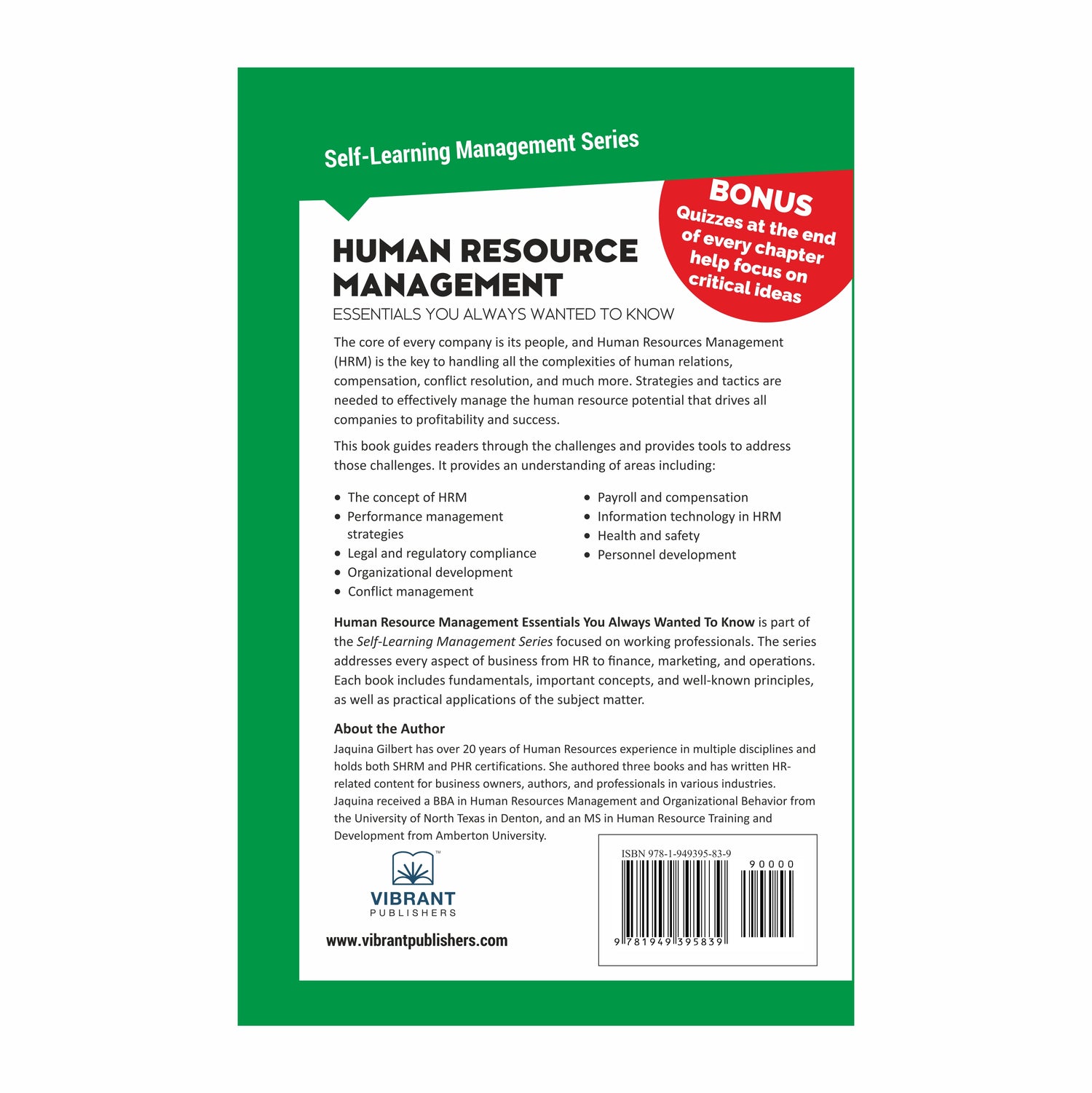
Human Resource Management Essentials You Always Wanted To Know
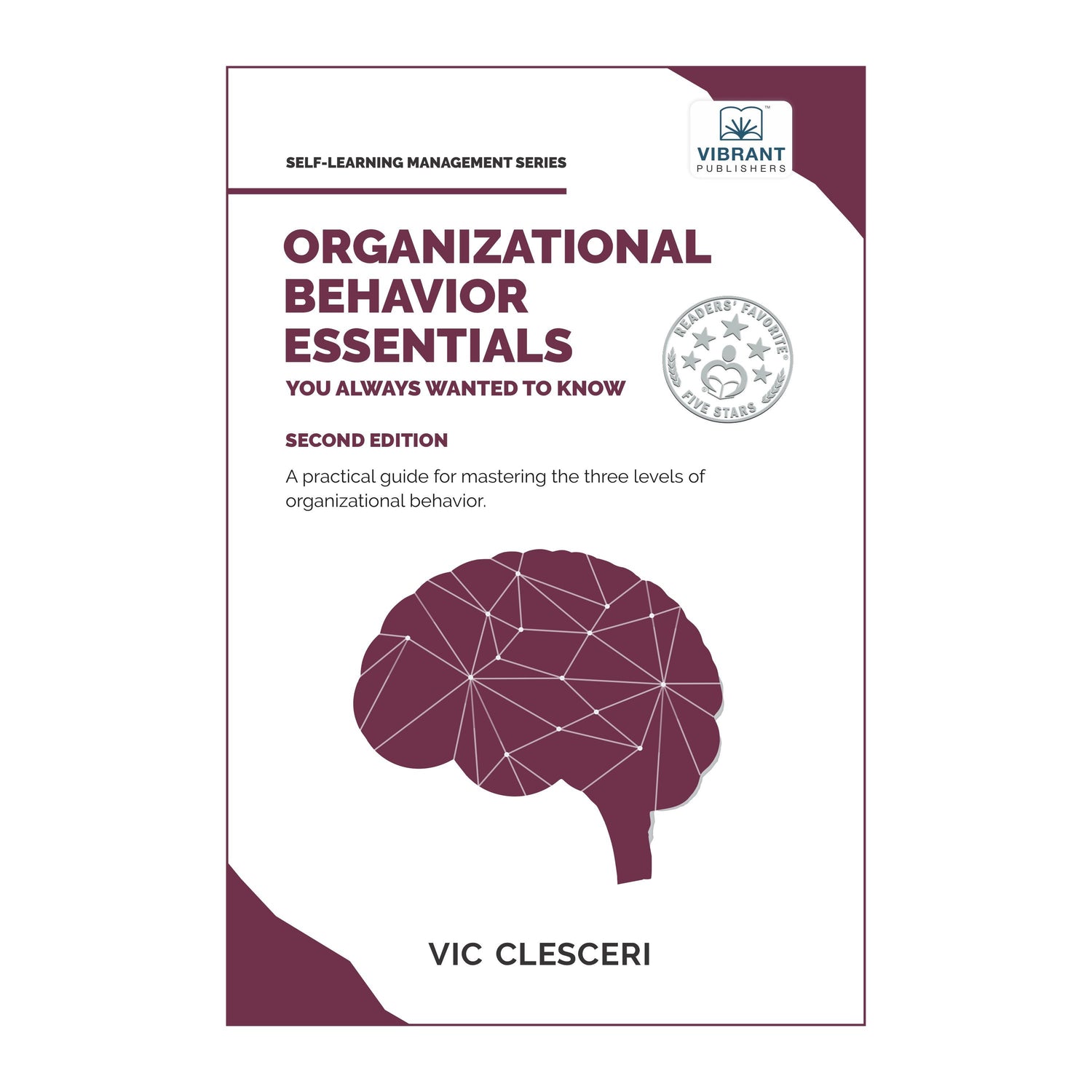
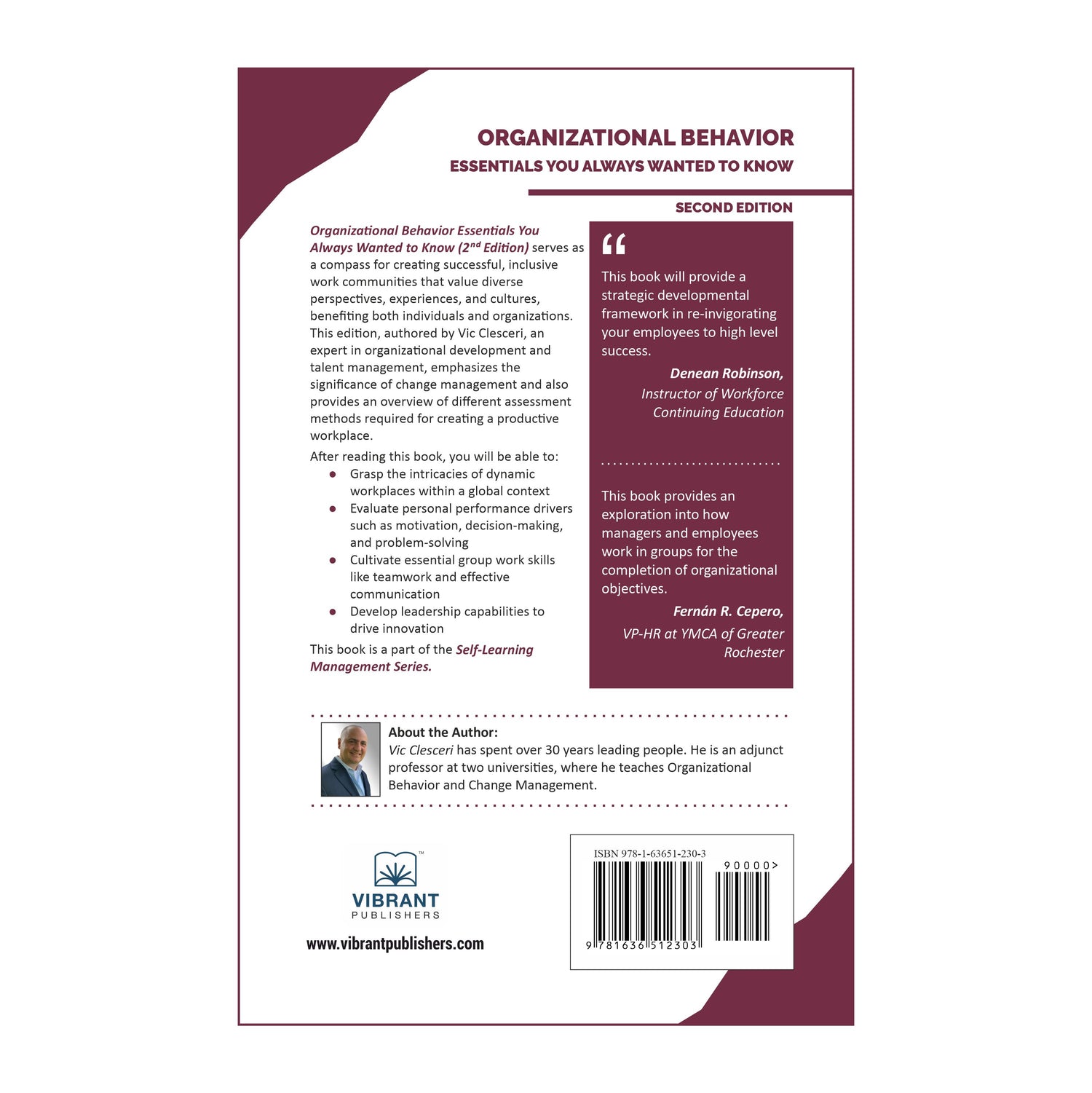
Organizational Behavior Essentials You Always Wanted To Know (2nd Edition)
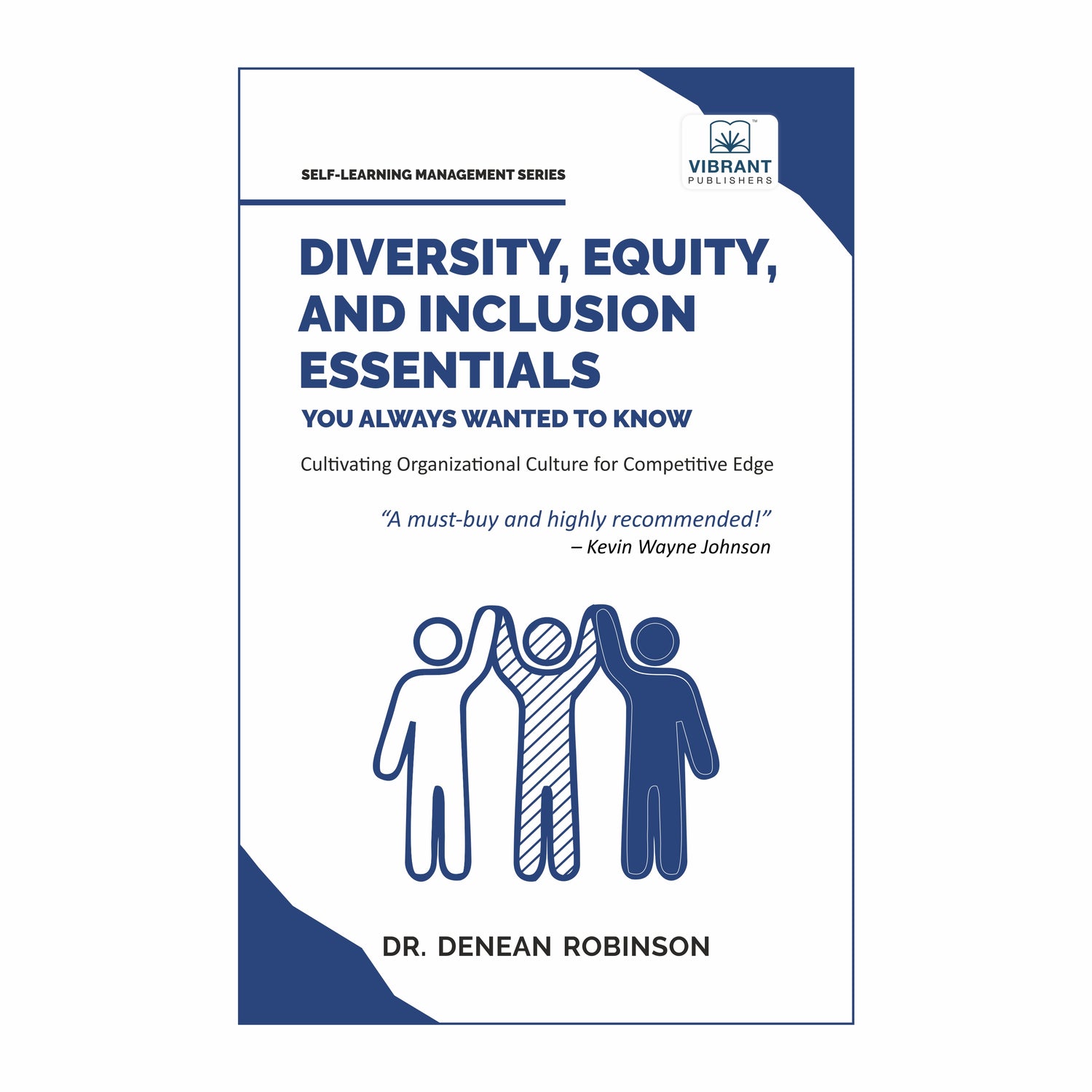
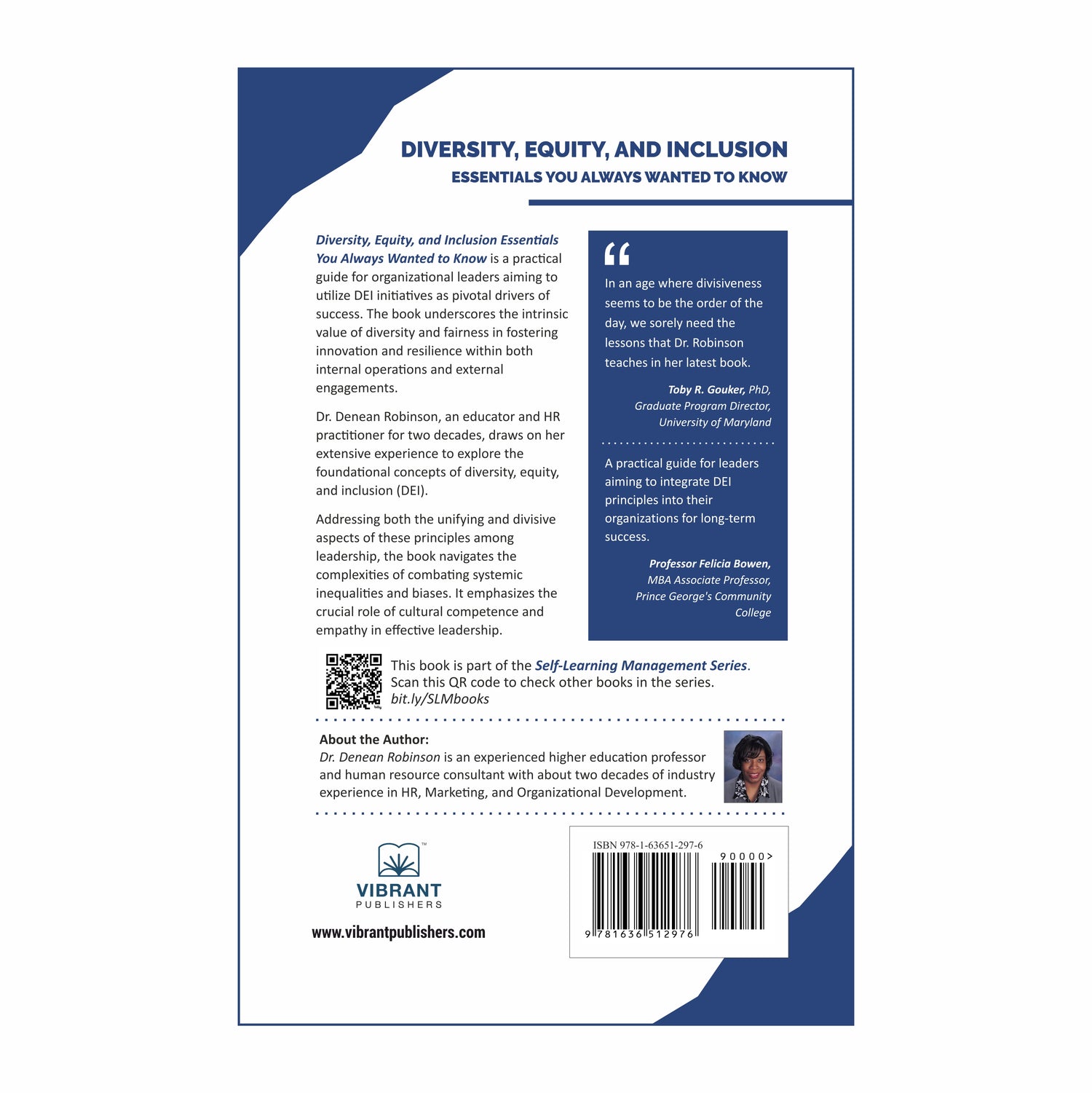
Diversity, Equity and Inclusion Essentials You Always Wanted To Know
Emotional Intelligence Essentials
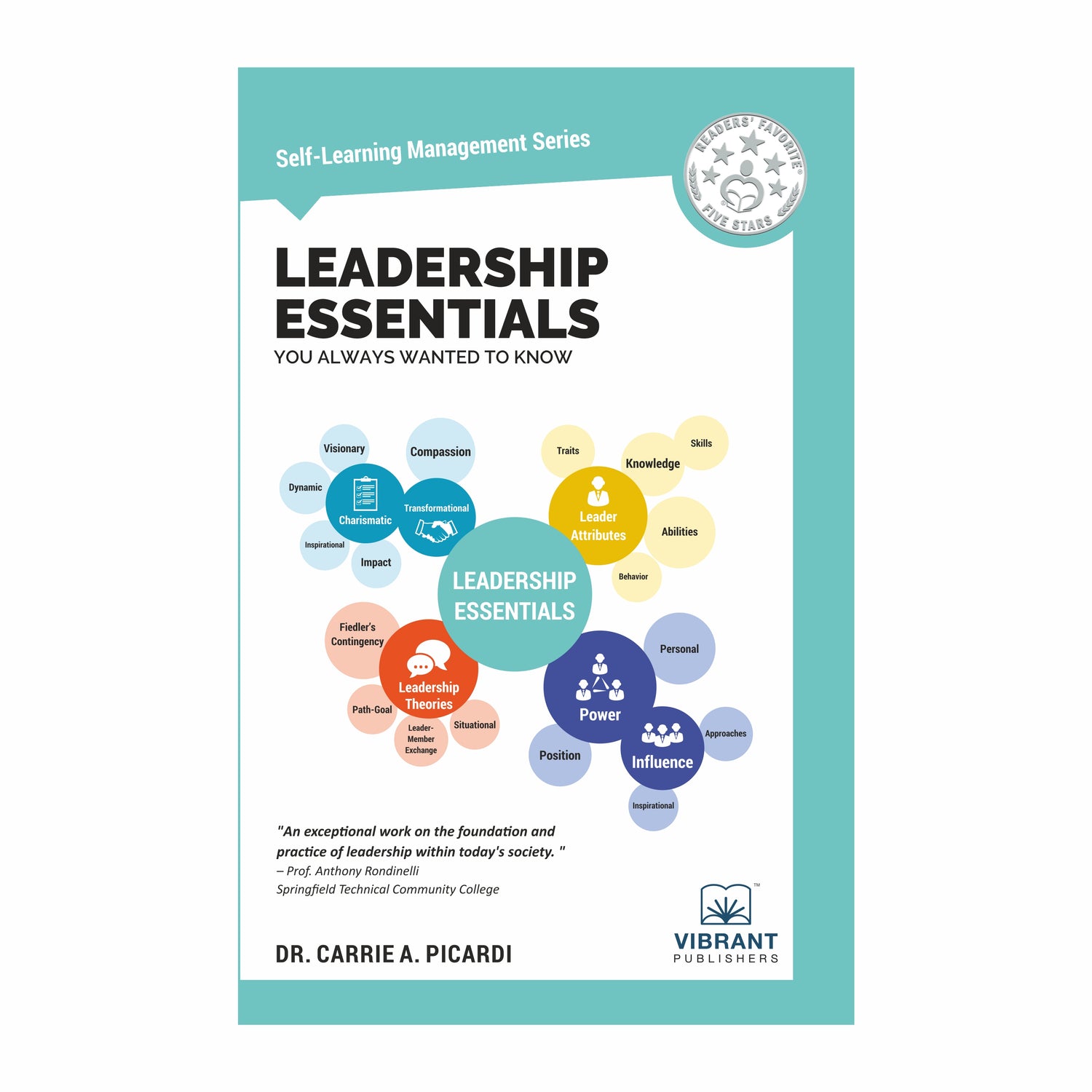
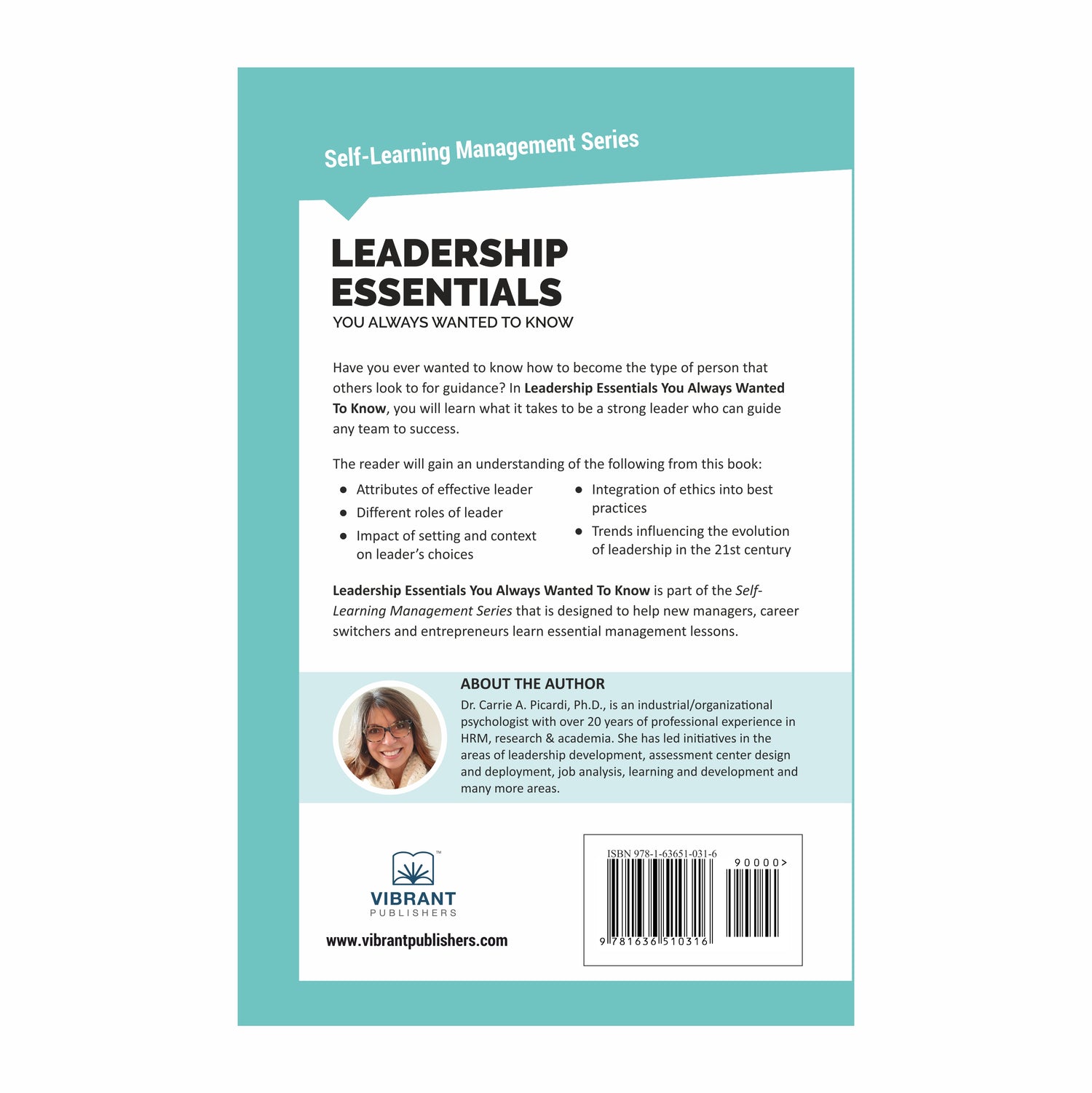
Leadership Essentials You Always Wanted To Know
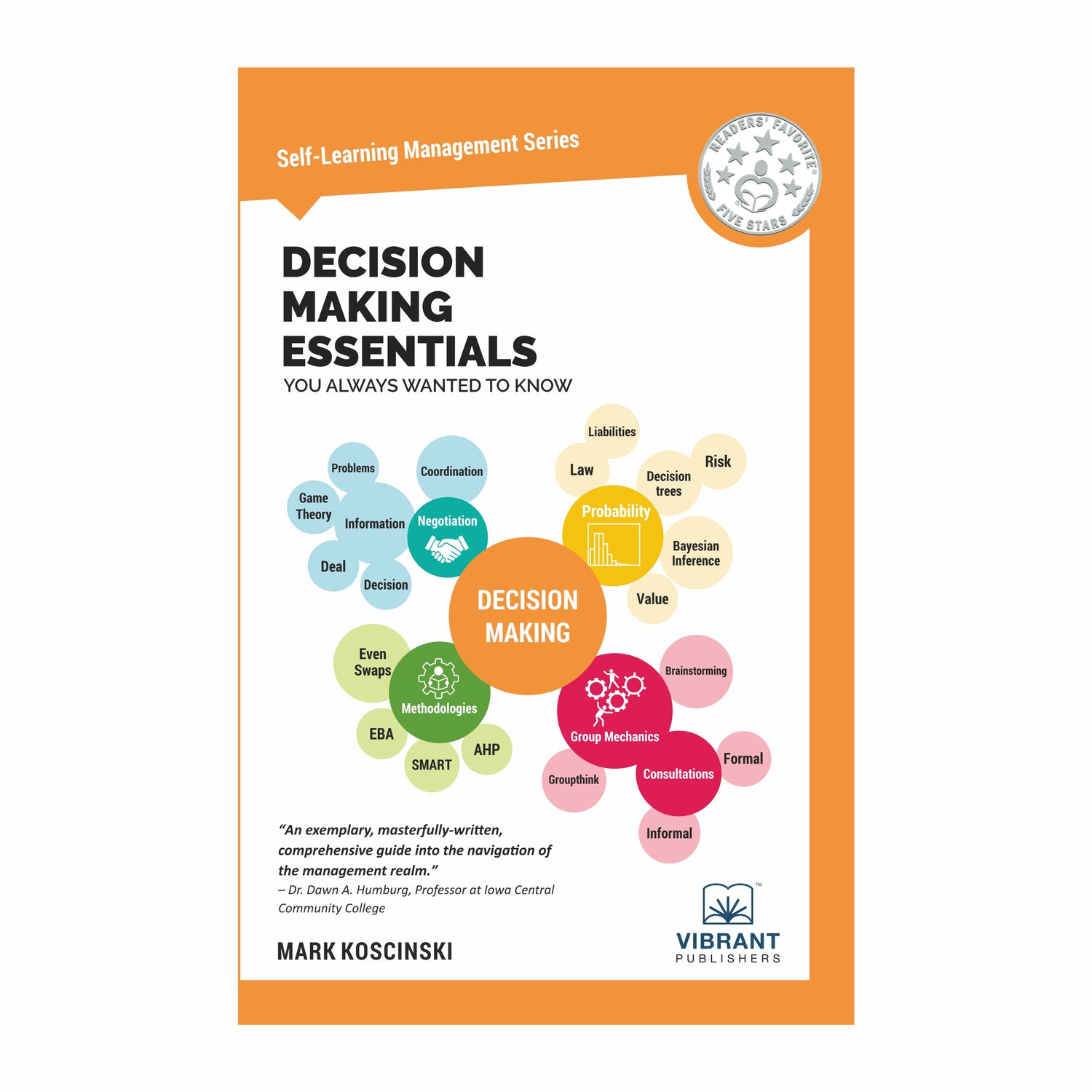
Decision Making Essentials You Always Wanted to Know: A Practical Guide to Heuristics, Probability, Game Theory, Scenario Planning, & Effective Decision Making
Time Management Essentials You Always Wanted To Know
Public Speaking Essentials You Always Wanted to Know
Better: A Guidebook to a New and Improved You
India’s Road to Transformation: Why Leadership Matters
Leadership Interview Questions You’ll Most Likely Be Asked
Inclusive Leadership Essentials You Always Wanted To Know
Studying human resources, I found this a clear and approachable introduction to labor relations concepts. The mix of historical legislation and future workplace trends kept it interesting. A little more depth in places would help, but it is a strong starting point for students.
I manage a team but had almost no background in labor relations before reading this. The book builds from the basics of workplace rights up to union dynamics without overwhelming you. I finished it feeling far more confident about the people side of my role.
The author's experience advising clients in both India and the United States really comes through, which is rare in a book like this. It explains the fundamentals clearly and connects them to modern issues like AI and changing demographics. An excellent resource for HR professionals working across regions.
As someone running a growing company, I never had formal training in employment law and this filled the gap. The sections on employee rights and collective bargaining helped me understand my responsibilities before problems arise. I would have liked a few more sample scenarios, but it is a genuinely useful primer.
As an HR manager with over a decade of experience, I've struggled to find a labor relations resource that bridges legal complexity with practical application. Ritambhra Kalra's Labor Relations Essentials does exactly that. The chapter on the National Labor Relations Board demystifies an institution that intimidates even seasoned HR professionals. The grievance procedures section gave me frameworks I immediately applied to two active employee disputes. Highly recommended for anyone navigating workplace law.
- 5 stars: 27 (59%)
- 4 stars: 19 (41%)
- 3 stars: 0 (0%)
- 2 stars: 0 (0%)
- 1 star: 0 (0%)
Studying human resources, I found this a clear and approachable introduction to labor relations concepts. The mix of historical legislation and future workplace trends kept it interesting. A little more depth in places would help, but it is a strong starting point for students.
I manage a team but had almost no background in labor relations before reading this. The book builds from the basics of workplace rights up to union dynamics without overwhelming you. I finished it feeling far more confident about the people side of my role.
The author's experience advising clients in both India and the United States really comes through, which is rare in a book like this. It explains the fundamentals clearly and connects them to modern issues like AI and changing demographics. An excellent resource for HR professionals working across regions.
As someone running a growing company, I never had formal training in employment law and this filled the gap. The sections on employee rights and collective bargaining helped me understand my responsibilities before problems arise. I would have liked a few more sample scenarios, but it is a genuinely useful primer.
As a graduate student in labor economics, I needed a companion text that would give me legal grounding without requiring me to take a law school course. Labor Relations Essentials was exactly that. Kalra's explanations of collective bargaining mechanics, strike economics, and dispute resolution costs provided context for the economic models I was studying in my coursework. The chapter on the future of labor relations aligned well with current academic debates about automation and job displacement.
Justice Poonam Bamba's editorial assessment that this book could serve as a perfect bench book is well-justified. The legal analysis is accurate, the organization is logical, and the flowchart presentations of procedural matters make it useful for quick reference during time-sensitive situations. For in-house counsel handling employment matters, this book provides solid foundational content while acknowledging the complexity of state-by-state variation in U.S. labor law.
I've reviewed over a dozen labor relations texts for potential adoption in our corporate learning curriculum and this is the one we chose. Kalra's dual legal perspective, the interactive learning elements (quizzes, case studies, ponder points), the coverage of contemporary issues like AI and gig work, and the overall accessibility of the writing make it the clear choice for a broad professional audience. The book works equally well for self-directed learners and structured group programs.
Labor law literature has long been divided between academic treatises inaccessible to practitioners and simplified guides that sacrifice accuracy for readability. Labor Relations Essentials bridges that divide with authority. Kalra's 9+ years of cross-border legal experience in both India and the United States, combined with Vibrant Publishers' commitment to concise, practitioner-friendly content, has produced a book that deserves wide adoption in HR programs, law schools, and boardrooms alike.
After introducing this book to our HR team, we revamped our grievance procedure documentation, updated our employment contract templates, and restructured our termination checklist - all based on Kalra's frameworks. The ROI on this text has been significant. More importantly, our team now approaches labor relations with greater legal literacy and less anxiety. When frontline managers understand why labor law exists, they make better decisions. This book explains the why.
The Self-Learning Management Series from Vibrant Publishers consistently delivers depth without sacrificing accessibility, and this volume is a prime example. Labor Relations Essentials doesn't dumb down labor law - it illuminates it. Kalra's treatment of subjects like secondary boycotts, the duty to bargain in good faith, and protected concerted activity is accurate and nuanced. For a 238-page introductory text, the content density is remarkable. A genuine achievement in educational publishing.
I purchased this book mid-engagement on a labor relations advisory project and consumed it in three days. The speed at which Kalra covers historical labor law - NLRA, Taft-Hartley, LMRDA - while maintaining readability is impressive. The practical frameworks for analyzing collective bargaining disputes and evaluating grievance processes aligned exactly with the analytical work my team was doing. This book accelerated our project delivery meaningfully.
I work in a mid-size manufacturing firm and need to reference labor law regularly without the ability to call outside counsel every time a question arises. This book is my first stop. The chapters on NLRB procedure, collective bargaining obligations, and strike management are organized for quick reference as well as sustained reading. The glossary is thorough. The index allows for targeted topic searches. This is a well-produced professional reference that earns shelf space.
Nisha Choudhary of the Institute of Company Secretaries of India noted in her editorial review that the book offers an insightful comparison between Indian and U.S. labor law. As a corporate secretary working across jurisdictions, I share that assessment. Understanding how landmark U.S. legislation like the Wagner Act compares to Indian collective bargaining frameworks enriched my appreciation of both systems. Kalra's dual-jurisdiction practice makes her uniquely positioned to write this book.
From hiring and employment contracts through discipline, dispute resolution, and termination, this book covers the full employee lifecycle from a labor law perspective. Kalra doesn't just explain what the law requires - she explains why particular protections evolved and what workplace realities they were designed to address. That historical and contextual framing makes the legal content more memorable and more meaningful. An excellent resource for HR professionals at all career stages.
Employee relations specialists need to understand labor law without practicing it. This book calibrates perfectly for that audience. Kalra covers the legal framework in enough depth to inform sound ER practice without requiring the reader to navigate full statutory text. The sections on discipline, termination, and wrongful dismissal remedies are particularly well-suited to ER professionals who handle terminations and performance management processes on a daily basis.
The section on remote work in the evolving labor landscape addresses questions that most labor law texts haven't caught up to yet: jurisdiction issues for remote employees working across state lines, monitoring and surveillance law compliance, and how remote work affects collective bargaining unit definitions. As a legal tech consultant advising distributed teams, I found this section more analytically rigorous than anything I've found in periodical literature. Essential reading.
Ritambhra Kalra's expertise extends to workplace safety and POSH (Prevention of Sexual Harassment) trainings, which infuses the labor relations content with sensitivity to dignity and procedural fairness. The chapter on worker rights and protections addresses anti-discrimination and anti-retaliation law with particular care. For compliance officers building internal training programs, this book provides a solid legal foundation paired with practical guidance that translates easily into workshop material.
One of the book's greatest strengths is its use of case studies to ground abstract legal principles in recognizable workplace scenarios. Rather than dry statute summaries, Kalra illustrates key concepts - constructive dismissal, secondary boycotts, mandatory versus permissive bargaining subjects - through fact patterns that feel plucked from real disputes. As someone who trains HR generalists, I found these case studies invaluable for facilitating learning discussions.
As an Indian professional who relocated to the United States for work, navigating U.S. labor law felt overwhelming. This book was exactly the orientation I needed. Kalra's cross-border perspective - she advises clients in both India and the United States - means the book occasionally illuminates U.S. law through comparative contrast with Indian frameworks. That comparative element was uniquely helpful for readers coming from different legal traditions.
I teach in a paralegal program and have been searching for a labor law text that is accessible to students without law degrees while still being substantively accurate. Labor Relations Essentials is exactly that. Kalra doesn't condescend to non-lawyers but she also doesn't assume prior legal education. The chapter quizzes are excellent assessment tools and the glossary is comprehensive enough to serve as a standalone reference. I'm adopting this for our employment law module.
The final chapter on the future of labor relations is what elevates this book above comparable texts. Kalra's discussion of how AI will reshape employer-employee relationships, the policy implications of automation-driven job displacement, and the evolving landscape of worker voice in platform economies is sophisticated and well-argued. For HR professionals and business leaders engaged in workforce planning, this chapter provides essential strategic context. An outstanding concluding section.
Too many labor relations books fall into either pro-labor or pro-management camps. Kalra's book genuinely presents both perspectives - employer rights alongside worker protections - in each chapter. The editorial review by Udit Poddar, founder and CEO of Grid, confirms this balance from an entrepreneur's perspective. As a neutral arbitrator handling labor disputes, I found the balanced treatment unusual and refreshing. It's appropriate reading for all parties at the bargaining table.
Chapter 5 on employment contracts, worker rights, and termination is exceptional. As someone who advises employees navigating terminations, I found Kalra's coverage of at-will employment exceptions, constructive dismissal, and available remedies thoroughly researched and clearly explained. The distinction between federal and state-level protections - an area of confusion for many workers - is handled with precision. This chapter should be required reading for anyone exiting a long-term employment relationship.
What I appreciate most about this book is that it doesn't read like it was written five years ago and updated with a paragraph about remote work. Kalra addresses contemporary issues - AI surveillance of employees, gig platform labor classification, hybrid work policies - with the same depth she brings to foundational topics like the NLRA and the Wagner Act. This is labor relations scholarship that belongs in the present moment.
Most legal texts are precise at the cost of readability. Labor Relations Essentials is both. Kalra's background as a litigating attorney brings accuracy while her evident commitment to education ensures accessibility. The flow charts praised in Justice Bamba's editorial review genuinely help readers visualize complex legal processes like NLRB election procedures and arbitration workflows. I recommend this book to law students entering the labor and employment practice track.
At 238 pages, this book covers the full landscape of U.S. labor relations without a wasted page. Every chapter is tight, purposeful, and anchored in practical application. The editorial reviews from Justice Poonam Bamba and senior legal professionals confirm what readers will discover: this is a book with courtroom-level rigor wrapped in classroom-friendly language. My consulting team has adopted it as standard onboarding reading for new hires joining our labor relations practice.
Chapter 4 on unions and collective bargaining is the clearest introduction to the topic I've encountered in print. Kalra unpacks union structure, the bargaining process, contract enforcement, and dispute resolution with an attorney's precision and an educator's clarity. As a labor relations consultant advising mid-size companies, I regularly recommend this chapter to clients who are either anticipating a union campaign or currently engaged in CBA negotiations. The flowcharts are excellent.
Contact Information
Got questions? Call us on
+1-720-986-5272
Need help with your order?
reachus@vibrantpublishers.com
Available 24/7 via whatsapp chat
+1-315-413-6418
*Test names are the registered trademarks of their respective owners, who are not affiliated with Vibrant Publishers.
© 2026,
Vibrant Publishers LLC.